How Many Meals a Day Should You Eat After Bariatric Surgery?
A common piece of advice we hear after gastric sleeve or gastric bypass is to “eat three meals a day and do not snack”. For some people, three meals may be enough. But for many people after bariatric surgery, particularly those with a small eating capacity, it can make meeting their nutritional needs incredibly difficult.
A more useful guide is three to six eating opportunities across the day, depending on your capacity, protein and nutrition needs, hunger and lifestyle. Three meals are the foundation, but snacks can have an important role too.
WHY THREE MEALS MAY NOT BE ENOUGH AFTER BARIATRIC SURGERY
Let’s do some simple maths. Our minimum protein target after bariatric surgery is at least 60 g per day, with many people needing more.
Imagine you can only comfortably eat around half a cup at a meal. Half a cup of cooked lean mince might provide roughly 20–25 g of protein. If you only ate three times a day, you would need to fill almost your entire half cup capacity with protein-rich food at every meal just to get close to your minimum protein target.
But we do not want you living on pure mince. We also want room for vegetables, fruit, wholegrain foods, legumes, healthy fats and other foods that provide fibre, vitamins, minerals and variety.
A smaller stomach does not mean a smaller need for nutrition.
This is why we need enough eating opportunities across the day to nourish your body. For one person, that may be three meals and one snack. For another, three meals and two or three snacks may work much better.
SHOULD YOU SNACK AFTER GASTRIC SLEEVE OR GASTRIC BYPASS?
Snacking is not automatically a problem after bariatric surgery. We suggest considering a snack when you need another eating opportunity to meet your protein or nutritional needs, you are physically hungry between meals, the gap between meals is long and you are becoming overly hungry, or arriving at your next meal very hungry makes it harder to eat slowly, make satisfying food choices or recognise when you have had enough.
Instead of asking whether you should snack, look at what your current pattern is achieving. Over a typical day, consider:
Are you eating at least three meals?
How much can you comfortably eat at each meal?
Are you meeting your protein needs?
Is there room across the day for vegetables, fruit, wholegrains or other fibre-rich foods?
Are you physically hungry between meals?
Do you become overly hungry before your next meal?
Are your snacks planned and portioned?
Has eating started to trickle across the day?
You may discover that you need another eating opportunity, not more restriction. Or you may realise you are already eating frequently enough, but some of those eating occasions have become grazing rather than nourishing meals or snacks.
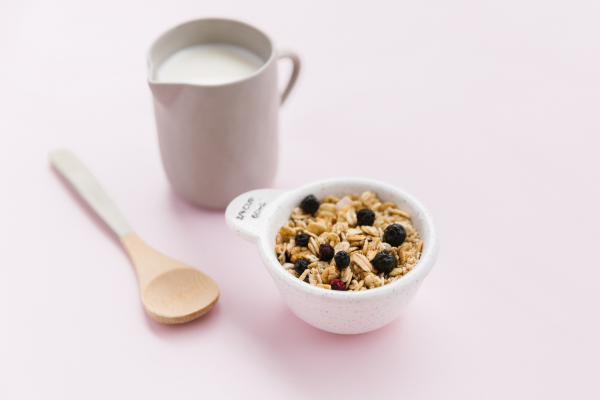
A planned snack might be yoghurt and fruit, cheese and wholegrain crackers, a boiled egg with some vegetables, or another small combination of nourishing foods. Our 30 Bariatric Snacks to Help You Stay on Track has plenty more ideas.
The important part is understanding the difference between snacking and grazing.
SNACKING AND GRAZING ARE NOT THE SAME THING
A snack has a beginning and an end. You choose it, portion it, sit down and eat it, typically over five to ten minutes.
Grazing is different. It might be a cracker here, a handful of nuts there, a bite while preparing dinner, something else with a coffee and another trip to the pantry an hour later.
We sometimes describe this as using your sleeve or pouch like a leaking bucket. Your sleeve or pouch may still have excellent restriction, and you might only be able to eat a small amount at any one time. But if small amounts are continually trickling through all day, your restriction has much less opportunity to help you regulate how much you eat.
This is why telling people simply that “snacks are bad” misses the point. The issue is not whether you eat between meals. It is how, why and how often you are eating.

HOW MANY TIMES A DAY SHOULD YOU EAT AFTER BARIATRIC SURGERY?
For most people, somewhere between three to six eating opportunities per day works well. There is no benefit in squeezing yourself into three eating occasions if you cannot meet your nutritional needs that way. There is also no need to automatically eat six times because somebody once told you to eat every two hours.
Instead, start with your three main meals and consider what is happening between them. If you can meet your protein and nutritional needs, feel satisfied and comfortably make it from one meal to the next, you may not need a snack. If you are hungry at 3pm, regularly arrive at dinner ravenous, have a long gap between meals or simply cannot fit enough nutrition into three small meals, a planned snack can be useful.
YOUR CAPACITY MATTERS
Someone who can comfortably eat one to one and a half cups at a meal has much more opportunity to include protein, vegetables and other nourishing foods than someone who is satisfied after half a cup. This is one reason blanket rules about meal frequency do not work particularly well after bariatric surgery.
Your capacity also changes over time. In the early months after gastric sleeve or gastric bypass, you may need smaller, more frequent eating opportunities because you simply cannot fit much food in at once. Further down the track, your capacity usually increases and you may find fewer eating occasions comfortably meet your needs. Neither approach is more successful or more “bariatric”. The aim is to give your body enough nutrition within the capacity you have.
WHAT SHOULD YOU EAT AT MEALS?
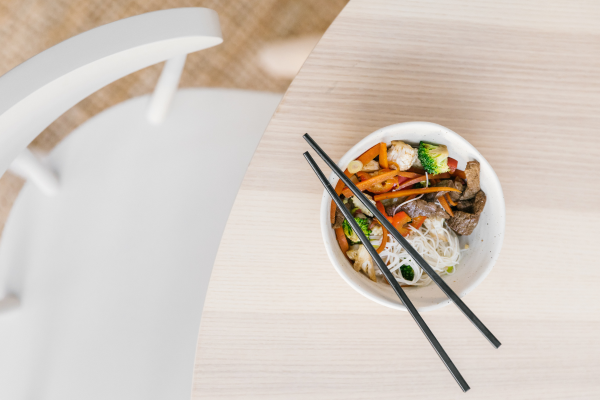
Rather than filling your limited capacity with protein alone, we want to layer your nutrition. At Nutrition for Weight Loss Surgery, we teach our Smart Food Combinations: protein + vegetables or salad + smart carbohydrate + healthy fat.
You will not necessarily fit every component into every meal, particularly when your capacity is small, but across the day we want more than protein going in. This might look like:
chicken with salad and avocado in a small wholegrain wrap
mince with kidney beans, vegetables and a little rice
egg with spinach, grainy toast and avocado
Greek yoghurt with berries, oats and nuts.
If putting this into practice is the tricky part, check out Struggling to Find the Right Bariatric Meal Plans After Surgery? Here’s the Solution. And if lunch tends to be the meal where ideas run out, our Bariatric Lunch Ideas can help too.
WHAT IF YOU ARE NOT HUNGRY?
Hunger is useful information, but it cannot always be the only thing deciding when you eat after bariatric surgery. Some people experience very little hunger after gastric sleeve or gastric bypass, particularly earlier after surgery. Weight loss medication can reduce appetite further, but your body still needs nutrition.
If waiting for hunger means you only eat once or twice across the day, struggle to meet your protein needs or have very little room left for fibre-rich foods, you will need some planned eating opportunities even without strong hunger signals.
THE BOTTOM LINE
So, how many meals a day should you eat after bariatric surgery? Three meals per day is a good minimum, but three meals is not a maximum.
For many people after gastric sleeve or gastric bypass, three to six meals and planned snacks across the day provides enough eating opportunities to meet nutritional needs without slipping into grazing. Your ideal number will depend on how much you can comfortably eat, your protein target, the nutritional quality of your food, your hunger and how your eating fits into your day.
We are not trying to eat as few times as possible. We are trying to make sure a smaller sleeve or pouch still gives us enough opportunities to nourish a whole body.

NEED SOME SUPPORT?
Whether you are newly navigating life after bariatric surgery or are years down the track and want to improve your nutrition, eating patterns or weight management, we have a range of support options available.
Explore our bariatric nutrition support options and find the right level of support for you.
